Before the Stove Went Cold: The Dishes We Can't Stop Trying to Bring Back
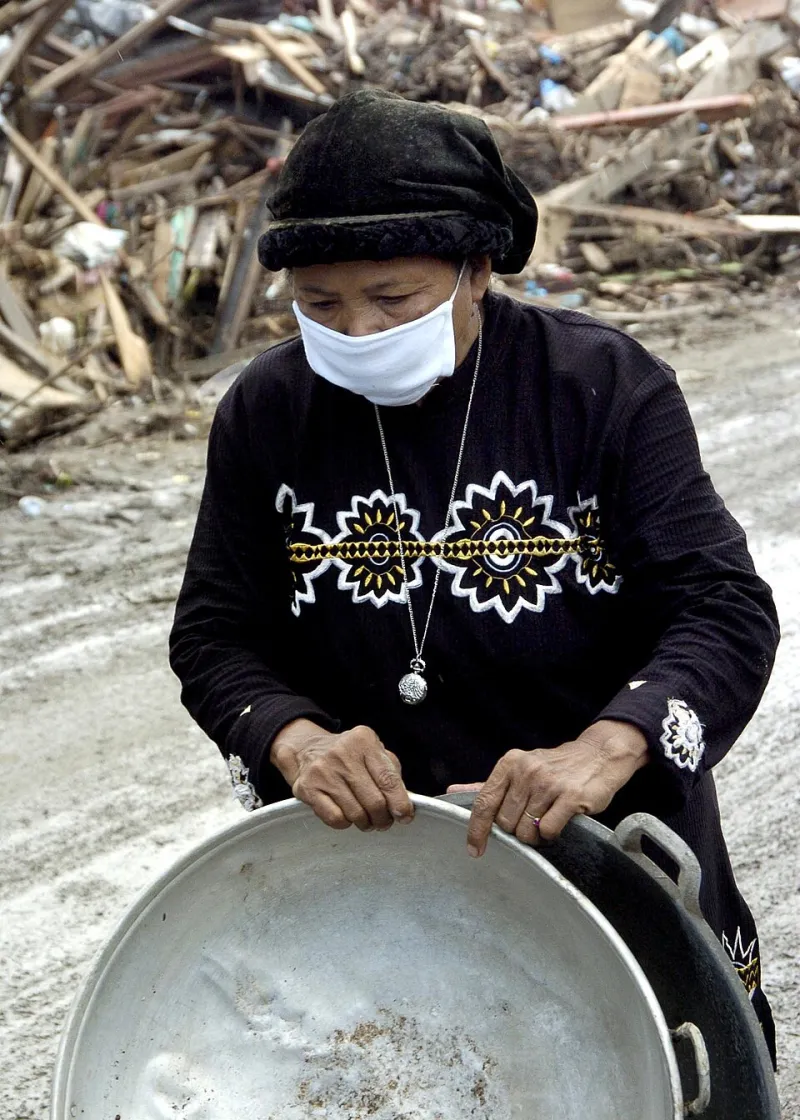
Photo: U.S. Navy photo by Photographer's Mate 3rd Class Tyler J. Clements, Public domain, via Wikimedia Commons
Every family has one. Not a recipe — a moment. The last thing Mom cooked before the hospital stays started. The pot of chili Dad made the summer before everything changed. The banana pudding my Aunt Ruthie stirred up on a July afternoon that, looking back, none of us knew was a farewell.
We remember these dishes with a clarity that borders on eerie. Ask someone what their grandmother made in her final months in the kitchen, and they'll describe the steam curling off the pot, the way the kitchen window fogged, the exact flowered apron she wore. Ask for the recipe, though, and you'll get a shrug. A guess. "She never wrote anything down."
That gap — between vivid memory and missing instructions — has quietly become one of the most tender projects in home cooking today. Call it a resurrection kitchen: the practice of reverse-engineering a lost dish from scraps of recollection, and in doing so, getting one more afternoon with someone who's gone.
The Taste That Wouldn't Leave
I've spent the past year talking to home cooks chasing these ghost recipes, and the stories stick with you.
There's Denise from Toledo, Ohio, who spent two winters trying to recreate her father's ham and bean soup — the one he made the weekend before his heart surgery, the one nobody thought to watch him make. "I knew it had a ham hock," she told me, laughing a little. "I knew it had beans. That was the whole case file."
It took her eleven batches. Batch ten was close. Batch eleven, she says, made her cry at the stove — not because it was perfect, but because it was close enough that her hands remembered the rest.
Then there's Marcus in Atlanta, working on his grandmother's lemon icebox pie. His clues were almost comically small: she used the yellow box of pudding mix, not the green one. She didn't bake the filling. The crust was "not graham, but not exactly vanilla wafer either." He's at batch seven. He says he'll get there "or die trying, because she'd never let me hear the end of it."
What strikes me in every conversation is that these cooks aren't really chasing flavor. They're chasing access. The dish is the door.
Reverse-Engineering From the Inside Out
So how do you actually do this? The home cooks I spoke with — and a few food historians — tend to follow a similar playbook, and it's worth writing down for the day you'll need it.
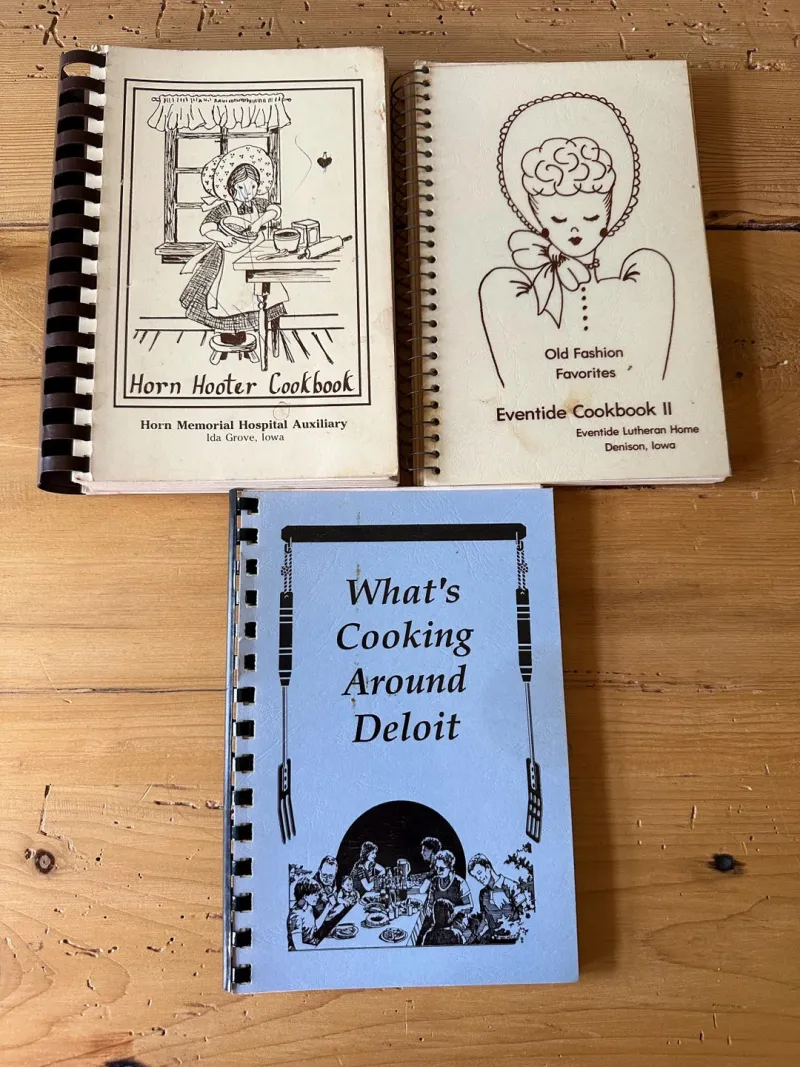
Start with the era, not the dish. If your loved one learned to cook in rural Kansas in the 1950s, their recipe probably came from a church cookbook, a extension-service pamphlet, or the back of a box. Period cookbooks are your best witnesses. The church cookbook especially — those spiral-bound community collections are time capsules of what real people actually made on a Tuesday.
Interrogate the memory in pieces. Don't ask "what did it taste like?" — that question freezes people. Ask smaller ones. Was it thin or thick? Sweet first or salty first? Was there a crunch? Did the house smell like onions cooking down, or like something baking? Sensory details unlock technical ones. "It smelled like celery cooking" tells you they started with a soffritto. "It was yellow all the way through" rules out half the casseroles in America.
Respect the shortcuts. Our grandparents were busy people, and their "secret recipes" were often three convenience products and a prayer. Cream of mushroom soup. A specific pudding mix. The off-brand crackers because they were cheaper. Don't romanticize your way past a boxed ingredient — the box might be the whole answer.
Cook it with someone else who remembers. This might be the most important one. Memory is communal. Your cousin's nose remembers something yours doesn't. Taste together. Argue. Adjust. The arguing is half of it.
And when you get close — stop. This is advice I didn't expect to hear, but I heard it over and over. Denise's ham and bean soup is not her father's, and she knows it. "At some point it stops being his soup and becomes mine," she said. "And I think he'd be fine with that."
The Recipe That Was Never Written
Here's what I've come to believe after a year of these stories: the dishes our loved ones made last were rarely their best ones. They were their easiest. The ones they could make on tired days, when the recipe lived in their wrists instead of on a card. Which means the recipe didn't vanish when they did — it just stopped being spoken aloud.
If you still have someone in your life who cooks, do yourself the kindness of watching. Not asking, watching. Notice whether they salt the water or the bowl. Whether they brown the butter or just melt it. Whether they taste as they go or trust the clock.
Because someday the kitchen goes quiet, and all you'll have is the steam and the smell and the flowered apron. Unless you were paying attention. Then you'll have the recipe — and the person, in the only form they can still take.