Between the Potluck Covers: What Spiral-Bound Church Cookbooks Know That We've Forgotten
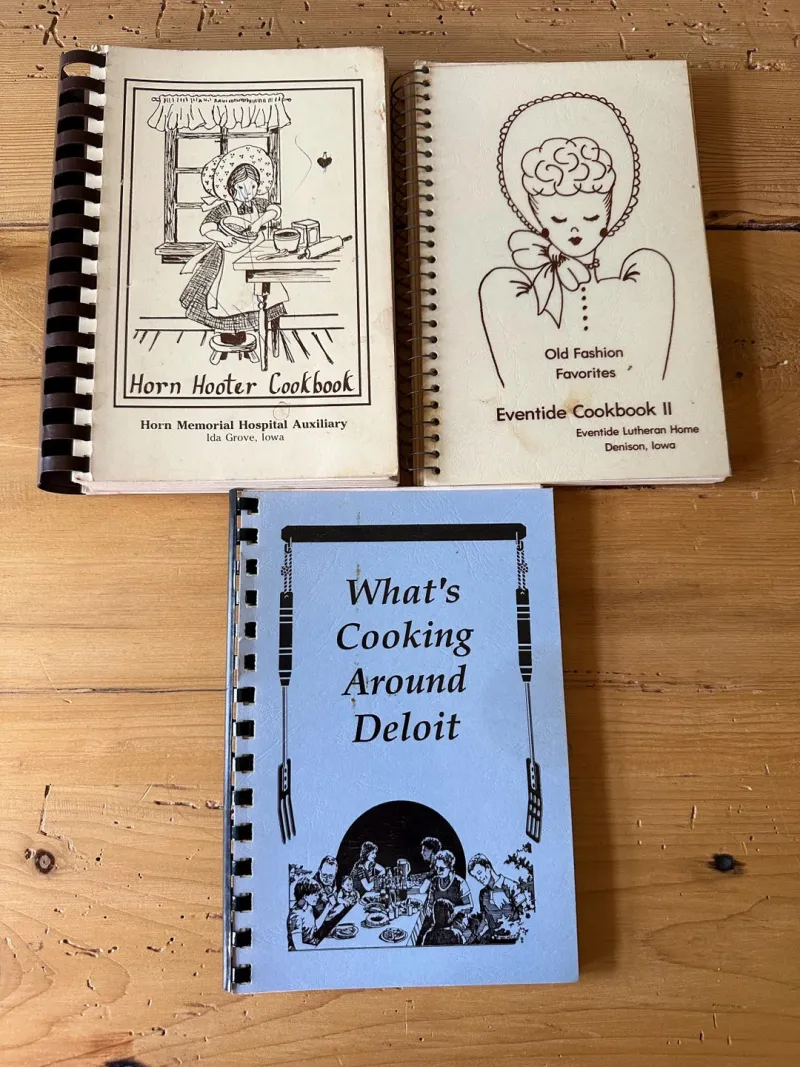
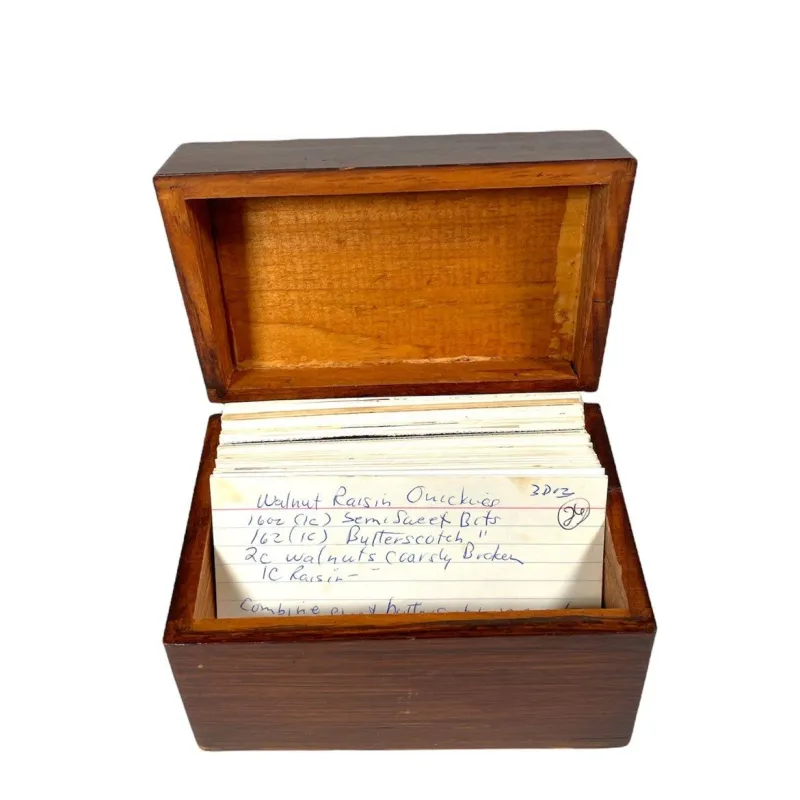
Photo: vintage spiral bound community cookbook with handwritten recipe cards on wooden table, via i.etsystatic.com
My town's historical society keeps a climate-controlled room for its rare documents. Diaries, land grants, a Civil War letter or two. But if you really want to understand how the people of this place actually lived — what they ate on a Tuesday, what they brought to funerals, what they served when the preacher came over — you need to look at a different shelf. The one with the spiral bindings.
The Most American Book Genre Nobody Names
Between roughly 1953 and 1989, thousands of church auxiliaries, Rotary chapters, junior leagues, 4-H clubs, and volunteer fire departments across the country compiled community cookbooks as fundraisers. Members typed or handwrote their favorite recipes, a local printer ran the copies, and the finished books sold for a few dollars to neighbors, in-laws, and anyone whose name the committee could remember.
Nobody involved thought they were creating an archive. They thought they were raising money for new hymnals or a church roof. But that's exactly what makes these books so valuable as cultural documents. There's no commercial motive, no food stylist, no publisher demanding trend appeal. Just real households recording what they genuinely cooked, in the language they genuinely used.
Open one and you'll find the whole texture of a community: the woman who submitted nine recipes, the deceased grandmother whose hotdish lives on in her daughter's entry, the running joke that shows up in three different casserole titles. Restaurant menus can't capture any of that. Neither, frankly, can most professionally published cookbooks.
How to Read One Like a Historian
Once you start collecting, a few patterns emerge that turn a fun thrift-store find into a genuine research project.
Follow the geography. Regional ingredients are the tell. A Minnesota book will be heavy on wild rice and lefse; a Gulf Coast parish cookbook will assume you have a shrimp source; a Pennsylvania Dutch community cookbook will casually call for scrapple without a hint of explanation. The recipes assume local knowledge, which is precisely the information that rarely gets written down anywhere else.
Watch the decades shift. Recipes from the mid-1950s lean on cream of mushroom soup, canned fried onions, and gelatin in ways that later books don't. By the late 1970s, you'll spot dry onion soup mix, crescent roll dough, and the first tentative appearances of the food processor. Dating a book by its ingredient list is a party trick worth learning.
Read the attributions. "Mrs. Harold Jenkins" versus "Sally Jenkins" tells you when the committee switched to first names. "Aunt Carol's" in the title tells you this recipe was borrowed, beloved, and probably argued over at reunions.
Note what's missing. The absence of measurements in some entries — "bake until done," "add flour until it looks right" — marks recipes that existed orally for generations before someone finally committed them to paper. Those are often the oldest and most interesting.
Where to Hunt
The good news is these books were printed in huge quantities and most families kept them, which means they're everywhere once you know where to look.
Estate sales and church rummage sales are the mother lode. Look for the stacks near the cookbooks nobody's fighting over — that's them.
Used bookselling sites list thousands, usually for $5 to $20, searchable by town and organization. Searching your hometown or your grandmother's hometown is a genuinely emotional experience more than once.
Local libraries and historical societies often keep local community cookbooks in their collections. Some universities with strong regional food programs, like those in the South and Midwest, have dedicated archives of them.
Your own relatives. Seriously. Ask. Half the time they're in a kitchen drawer, stained and dog-eared, holding the only surviving copy of Great-Aunt Ruth's pickle recipe.
Actually Cooking From Them
Here's the honest part: some of these recipes are spectacular, and some involve a mystery can in ways modern palates may resist. A few practical notes for the kitchen.
Expect vintage assumptions. "Oven at 375" means a real 375, but older ovens ran cooler, so check early. "Sweet milk" just means regular milk, as opposed to buttermilk. A "stick" of oleo is a stick of margarine — butter works better. And when a cake recipe calls for a box of cake mix plus a box of pudding mix plus more ingredients, understand that you're looking at a working document from a specific moment in American grocery history, and there's real joy in meeting it on its own terms.
The casseroles, the sheet cakes, the icebox desserts, the potato dishes — these are the recipes that fed actual families for generations. They earned their places in those books by working.
Consider Joining the Tradition
Community cookbooks never fully stopped, and plenty of churches, schools, and clubs still compile them. If your organization has ever talked about a fundraiser, this is a project with low startup costs and high sentimental returns. Collect the recipes by hand, ask contributors for the story behind the dish, and include first names. In thirty years, someone at an estate sale will be very glad you did.
Because that's the quiet magic of these books: they were never really about the recipes. They were a community saying, in the most practical language available, this is what we eat, this is who we are, and we wanted you to have it. Every spiral binding holds a little bit of that. It's worth going out and finding one.