Bring 'Em Back: 7 Vintage American Comfort Foods That Deserve a Second Act
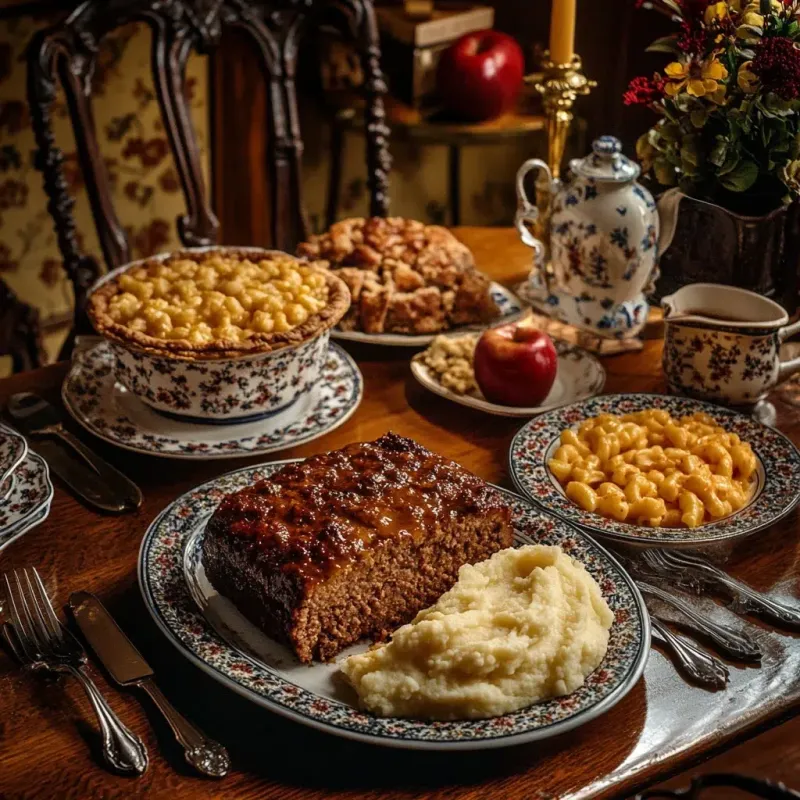
Photo: vintage American comfort food casserole and retro dinner table spread, via recipestime.com
Every era of American cooking leaves casualties. Dishes that were once on every diner menu, church supper table, and Sunday dinner plate slowly slide into obscurity—usually because they take a little effort, or because food fashion moved on. But here's the thing about these forgotten comfort foods: they didn't disappear because they stopped tasting good. They disappeared because nobody kept making them.
Let's fix that. Here are seven nearly lost American classics, with history and a workable recipe for each.
1. Chicken à la King
Where it came from: A Gilded Age showpiece, likely born in New York City hotel kitchens in the 1880s–90s, though Philadelphia and Brighton Beach also claim it.
Why it faded: It became the punchline of bad cafeteria food—canned sauce, rubbery chicken, lukewarm toast points.
The revival: Made properly, it's a silky sherry-kissed cream sauce over fresh chicken. Sauté 2 tablespoons butter with a diced red bell pepper and half a cup of mushrooms until soft. Stir in 2 tablespoons flour, then slowly whisk in 1 cup chicken stock and ½ cup heavy cream. Simmer until thick, add 2 cups cooked shredded chicken, a splash of dry sherry, salt, and pepper. Spoon over toast, rice, or puff pastry shells. Thirty minutes, restaurant-quality.
2. Wilted Lettuce Salad
Where it came from: Pennsylvania Dutch and Appalachian country, where hot bacon grease was liquid gold never to be wasted.
Why it faded: The low-fat panic of the 1980s made hot bacon dressing practically illegal.
The revival: Fry 6 slices of bacon until crisp; crumble and set aside. To the warm drippings, whisk in ¼ cup apple cider vinegar, 1 tablespoon sugar, ½ teaspoon Dijon, and a pinch of salt. Toss, sizzling, over torn leaf lettuce and sliced scallions. The greens wilt just slightly and drink up that sweet-sour-smoky dressing. Serve immediately—it waits for no one.
3. Tomato Aspic
Where it came from: Early 20th-century America's gelatin obsession, when Jell-O was marketed as a sophisticated, labor-saving marvel.
Why it faded: Savory gelatin became the poster child for retro food regret.
The revival: Honestly? A chilled, savory tomato gelée with horseradish cream is delicious—think of it as a pimento cheese's elegant cousin. Simmer 2 cups tomato juice with 1 tablespoon lemon juice, a bay leaf, a pinch of cloves, and 2 tablespoons sugar for 10 minutes. Strain, stir in 2½ teaspoons powdered gelatin softened in ¼ cup cold water, and chill in individual cups until set. Top with a dollop of mayo whipped with horseradish. Serve it as a starter at a summer dinner and watch skeptics convert.
4. Perloo (Pilau)
Where it came from: The South Carolina and Georgia Lowcountry, a rice dish with West African roots adapted through generations of Gullah Geechee and coastal Southern cooking.
Why it faded: Northern food media simply never paid attention.
The revival: Render 4 slices of chopped bacon in a heavy pot. Add a diced onion, a chopped green pepper, and 2 minced garlic cloves until soft. Stir in 1½ cups long-grain rice to toast, then 3 cups chicken stock, a can of diced tomatoes, a bay leaf, and a pinch of thyme. Cover and simmer 20 minutes—no peeking—until the rice is tender and the pot bottom is just shy of crispy. Shrimp or chicken makes it a full meal.
5. Chicken and Slippery Dumplings
Where it came from: Pennsylvania Dutch farm kitchens, where the dumplings were flat, chewy noodle-like squares—"slippery" in the best way.
Why it faded: Fluffy drop dumplings won the popularity contest.
The revival: Simmer a whole chicken with onion, celery, and salt until tender; strain and reserve the broth. Make a stiff dough of 2 cups flour, 1 egg, ¼ cup broth, and salt. Roll thin, cut into squares, and drop into the bubbling broth for 20 minutes. They thicken the pot into something between a soup and a stew. Shred the chicken back in, crack pepper generously, and serve to people you love.
6. Salmon Loaf
Where it came from: A pantry-staple workhorse of the 1930s–50s, when canned salmon was affordable and dependable.
Why it faded: The name. The name did it.
The revival: Mix one can of drained salmon with an egg, ¾ cup breadcrumbs, ⅓ cup milk, a squirt of lemon, and minced parsley. Shape into a loaf, bake at 375°F for 30 minutes, and top with a quick dill-yogurt sauce. Crispy outside, tender inside, budget-friendly. Rename it "salmon cakes' sophisticated cousin" if you must.
7. Icebox Lemon Pie (the Aspic Era's Good Side)
Where it came from: Mid-century America's love of no-bake desserts, powered by sweetened condensed milk and a sunny citrus attitude.
Why it faded: It didn't really—it just retreated into Southern church cookbooks, which is arguably where the best recipes live anyway.
The revival: Whisk one can of sweetened condensed milk with the zest and juice of 3 lemons and 2 egg yolks until thickened. Pour into a graham cracker crust and chill overnight. Top with barely sweetened whipped cream. Done.
The Point of It All
Food doesn't have to be trendy to be worth cooking. These dishes survived generations of home cooks because they worked—cheap ingredients, real technique, big flavor. Reviving one is less about nostalgia for nostalgia's sake and more about recovering good ideas that fashion abandoned.
Pick one. Make it this week. Report back.