In Defense of the Dented Pot: Why the Real Heirloom Is in the Cabinet
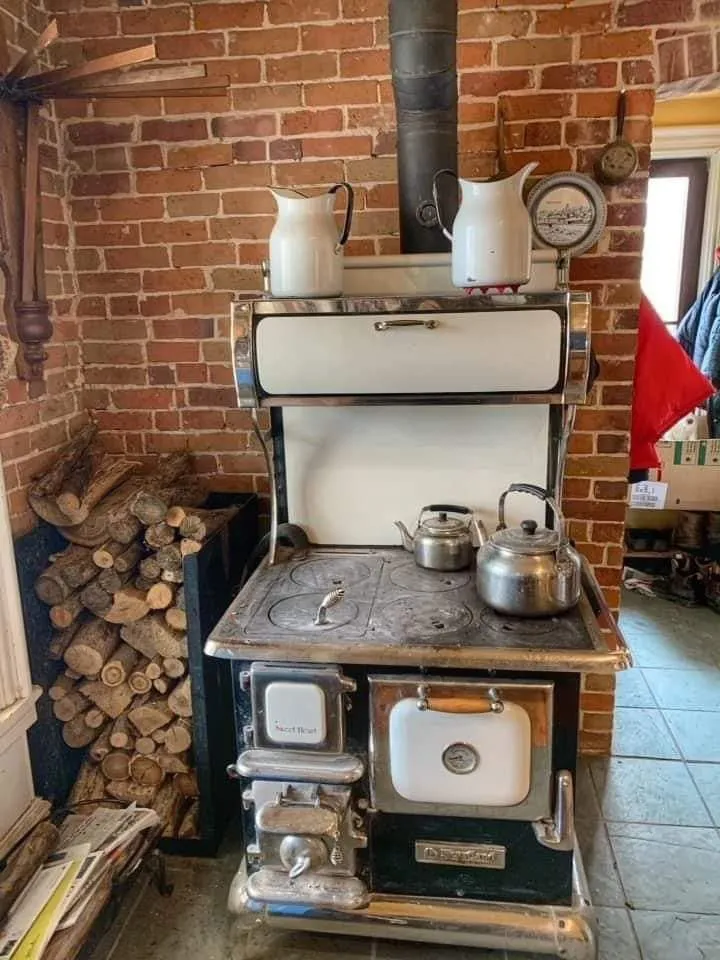
Photo: old dented stockpot on vintage stove in rustic kitchen, via i.pinimg.com
Let me say the unpopular thing up front: your grandmother's recipe cards are not the family heirloom. They're the instructions. The heirloom is the dented, blackened, handle-replaced-with-a-hardware-store-bolt stockpot that's currently buried under your roasting pan.
We've got this backwards as a culture, and it's time somebody said so.
Meet the Pot
In my family, the pot is named. Not officially — nobody sat down and held a ceremony. It's just "the soup pot," said with a weight that makes clear it's a proper noun.
It's a big, heavy-bottomed stockpot, probably purchased sometime in the 1940s by my great-grandmother, possibly from a door-to-door salesman, possibly from a hardware store in a town that doesn't have a hardware store anymore. Nobody knows. The pot isn't talking.
What we do know: it made stock every Thanksgiving for seventy-some years. It survived a stove fire in 1968. Its original lid was lost somewhere in the Nixon administration and replaced with a lid from a different pot entirely, which is why it doesn't quite sit right. My grandfather repaired the handle in 1987 with a bolt and a washer from his garage, and that repair is still holding. It will outlive us all.
Four generations have made soup in that pot. Not the same soup — that's the point. The soup changed with every marriage, every era, every time someone's doctor said something about sodium. But the pot stayed.
A Recipe Card Doesn't Season
Here's my argument, and I'll make it slowly.
A recipe card records information. A pot records use. And use, it turns out, is the more honest archive.
That dark patina on the inside of an old aluminum pot? That's decades of meals, literally bonded to the metal. The scorch mark on the bottom is the day somebody's attention wandered — maybe during a phone call, maybe during an argument, maybe during a good story. The thin spot where the metal wore down is where the spoon rested, stirring after stirring after stirring, year after year.
You cannot fake a scratch. You can photocopy a recipe card. You can retype it, laminate it, frame it. But a worn spot on a pot had to be earned, one dinner at a time, by people who are mostly gone now.
There's a reason cast iron people get evangelical about never washing with soap. They understand, on some level, that the seasoning is the memory. Every layer of oil polymerized into that black surface is a meal that happened. Scrub it down to bare metal and you haven't cleaned a skillet — you've erased a diary.
The Best Kitchens Smell Like Old Pans
You know the smell I mean. Walk into a kitchen where a pot has been in service for fifty years, and there's a warmth in the air that a new kitchen just doesn't have. Part of it is cooking fat that has permeated everything — the walls, the curtains, the wood of the cabinets. Part of it is harder to explain.
I think it's this: old cookware holds a faint memory of every meal, and when it heats up, it releases a little of it back. That's not science. That's just what I believe, standing over the soup pot on a Sunday, and I've stopped apologizing for it.
How to Keep the Heirloom Alive
If I've convinced you — or if you already had a soup pot of your own and just needed the words — here's how to honor the cookware in your family.
Ask who it belonged to, and write it down. On masking tape inside a cabinet, in a family group chat, somewhere. Provenance matters for pots as much as for quilts.
Repair, don't replace. A wobbly handle fixed with a bolt from the hardware store is not a flaw. It's a chapter. My grandfather's 1987 repair is one of my favorite things about the pot.
Cook the inherited dish in the inherited pot, at least once a year. The two belong together. The recipe without the pot is a letter from a stranger.
And when it's your turn to pass something down, pass the pot. The recipe cards will photocopy fine. The pot won't.
Somebody in your family is going to get the good dishes and the silver. Let them. You take the dented one in the back of the cabinet. It's worth more.