Nobody Wrote It Down: Learning My Mother's Chili by Standing Next to Her
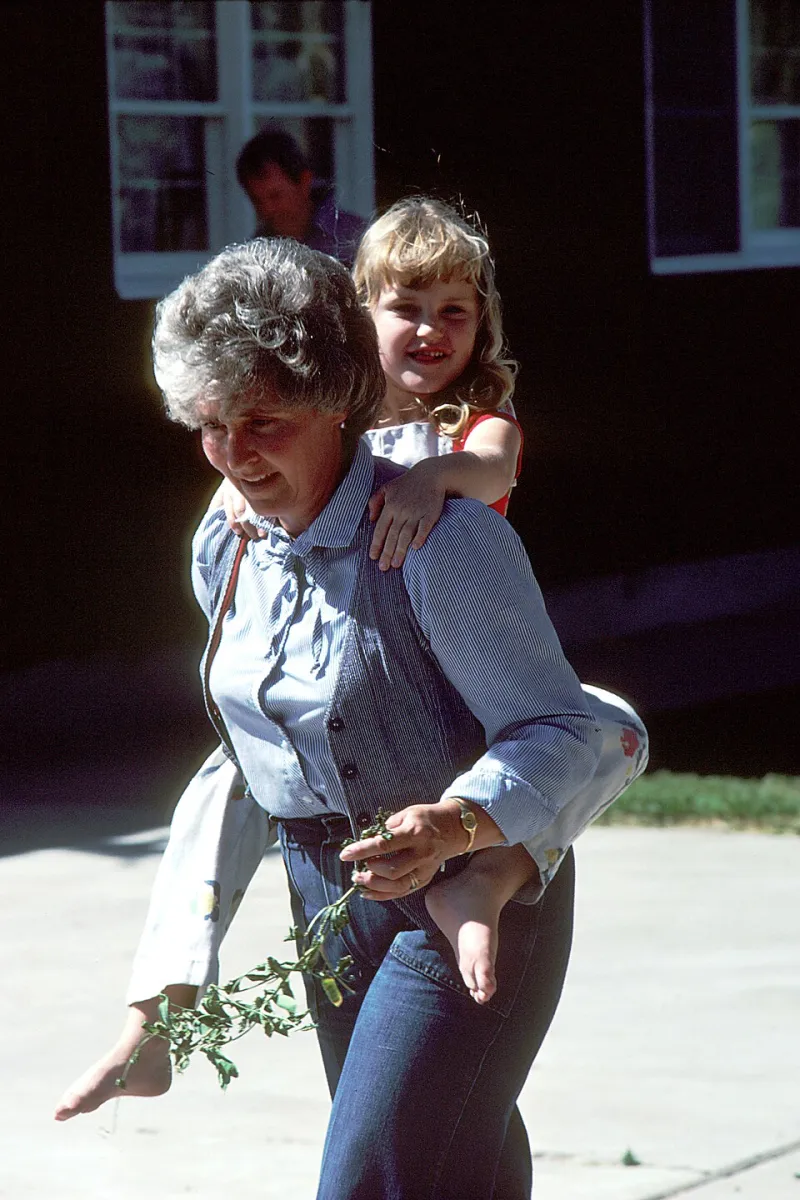
Photo: Linda Bartlett (Photographer), Public domain, via Wikimedia Commons
My mother's chili has never been the same twice, and that's exactly the point.
Some years it leans smoky, heavy on the chipotle. Other years it's sweeter, with an extra glug of molasses she swears she didn't add. Ask her for the recipe and you'll get a shrug, a wave toward the spice cabinet, and the phrase that has haunted three generations of our family dinners: "You know, a handful of this, a shake of that."
She's not being cagey. She genuinely doesn't know. And it turns out she's in very good company.
The Dishes That Refused to Be Written Down
Every American family seems to have one — the dish that exists only in the body of the person who makes it. A Thanksgiving dressing measured by feel. A beef stew that starts with "some onions, you know, however many." A Sunday gravy that simmers until it "looks right."
There's a reason these dishes stayed oral. Many of them came from cooks who learned by standing beside their own mothers, absorbing timing and texture through repetition rather than notation. For a lot of home cooks — especially through the mid-20th century — the kitchen was a place of rhythm, not measurement. You watched. You stirred. You eventually just knew.
There's also a quieter reason: some dishes were never meant to be fixed. A by-feel recipe adapts to what's in the pantry, the weather, the mood of the cook. Writing it down would freeze something that was designed to flex. My mother's chili tastes different every time because it's supposed to. It's a record of that particular Tuesday.
Precision Isn't the Villain — But It Isn't the Point Either
We live in the golden age of the tested recipe. Gram measurements, video tutorials, the works — and honestly, thank goodness. Precision gave a lot of us the confidence to turn on the oven at all.
But intuition cooking and precision cooking are doing different jobs. A recipe answers "how do I make this?" A by-feel dish answers "how do I know?" One is a set of instructions; the other is a relationship with the food. And the tug-of-war between them is as old as American home cooking itself — the church cookbook era wanted measurements, sure, but even those spiral-bound collections are full of entries that trail off into "bake until done."
The trick is knowing which kind of dish you're dealing with. If you're baking a chiffon cake, please, for the love of all that is holy, weigh your flour. If you're making your grandmother's vegetable soup, the measurements matter far less than the sequence, the seasoning at the right moments, and the patience.
How to Reconstruct a Dish That Was Never Written Down
If the keeper of a by-feel recipe is still around, your job is to be a reporter, not a transcriber. Watch for structure, not amounts:
- The order of operations. Does she brown the meat before the onions, or sweat the onions first? Sequence is the skeleton of a non-recipe.
- The moments she tastes. When does she reach for the spoon? That's where the decisions live.
- What she refuses to measure. If she scoops salt with her palm but levels a teaspoon of oregano, that tells you where the non-negotiables are.
- The finish. So many by-feel dishes end with a signature move — a splash of vinegar, a pat of butter, a rest off the heat. That last touch is often the whole identity of the dish.
And if the cook is gone? You reconstruct from memory and comparison. Cook the dish repeatedly, side by side with your recollection of it. Write down your version — not as law, but as a starting point for the next person. A recipe card that says "my best attempt, 2024, still not quite hers" is a family document of real value.
Write It Down, But Leave the Doors Open
Here's my proposal for the by-feel dishes in your life: write them down honestly, wobble included. "A handful of parsley — probably ¼ cup, but she used her hand and so should you." Record the ranges, the judgment calls, the things that change. You're not writing a recipe so much as a field guide to a person's cooking.
Because the goal was never to make the chili identical every time. The goal is to keep the person in it — the instinct, the generosity, the willingness to taste and adjust and trust yourself. The handful of this and the shake of that were never really about the chili.
They were about learning to cook like somebody who loved you.