Flour on His Hands, Stories in the Air: What I Learned Beside My Dad at the Pastry Board
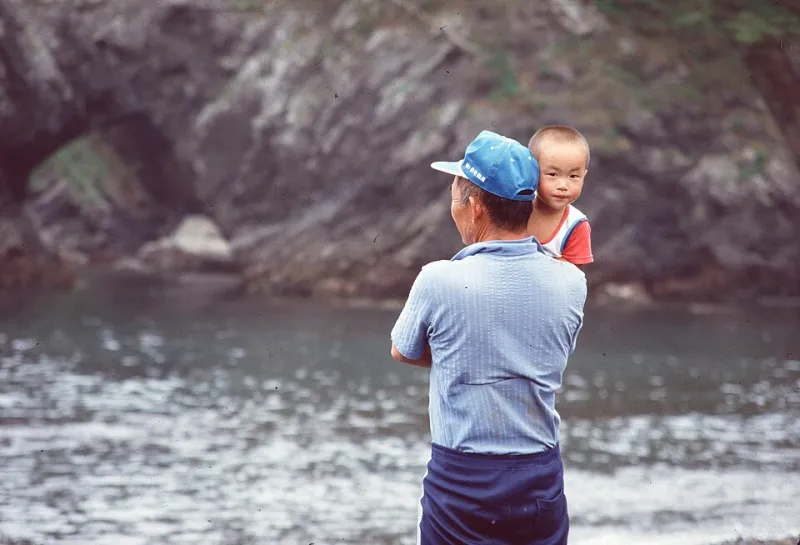
Photo: Marie-Sophie Mejan, CC BY 4.0, via Wikimedia Commons
I was eight years old, standing on a kitchen chair that wobbled every time I leaned, rolling a rolling pin over dough that kept cracking at the edges. My dad stood behind me, his hands hovering near mine but never quite taking over.
"You're fighting it," he said. "Cold butter, warm hands. You've got to work quick and quit worrying."
That was the whole lesson, more or less. No measuring demo. No lecture on gluten. Just dough, a butter knife, and my dad telling me about the summer he spent shucking corn for his uncle in Iowa while we waited for the crust to chill.
Why Kitchen Lessons Stick When Recipe Cards Don't
I've kept plenty of written recipes over the years — my grandmother's lemon bar card, a neighbor's chili formula scribbled on the back of an envelope. They're precious. But they're also incomplete in a way I didn't understand until I started teaching my own kids to cook.
A written recipe tells you what. It can't tell you what the dough should feel like on a humid August day in Missouri. It can't tell you to quit fussing. It can't laugh when you accidentally flour the dog.
Researchers who study how people learn call this "situated learning" — knowledge that only makes sense in the context where it's used. The rest of us just call it cooking with Grandma. The technique gets wired in alongside the memory of the person, the smell of the kitchen, the story they told mid-stir. That's why you can follow a pie recipe to the letter and still feel like something's missing. The missing ingredient isn't an ingredient. It's the voice in your head saying work quick and quit worrying.
The Pie Crust Was the Excuse
Here's what I figured out years later: my dad didn't really need help with that crust, and I certainly wasn't skilled labor. The pie was the excuse. The counter was the place where conversation happened sideways — easier than face-to-face across a table, especially for a man of his generation who wasn't big on sit-down heart-to-hearts.
If you've ever noticed that the deepest conversations in your family happen while doing dishes or shelling peas, you know exactly what I mean. Hands busy, eyes on the task, the talking comes easier. Psychologists sometimes call this the "shoulder-to-shoulder" effect. Families have known it forever without needing a term for it.
What got passed across that counter wasn't just a crust technique. It was patience. It was the idea that food made slowly for people you love is its own kind of speech. It was a Saturday morning ritual I now reproduce, almost without thinking, in my own kitchen — floured surface, cold butter, a kid on a wobbly chair.
The Questions Worth Asking While You Stir
If you still have a parent or grandparent who cooks — or a memory-keeper of any kind — I'd gently suggest this: don't wait for the right moment. There isn't one. There's just the next batch of dough, the next Sunday sauce, the next time they reach for that dented pan.
You don't need a recorder or a formal interview. You need a task and a few questions tucked in your back pocket. Some that have worked for me and readers who've written in:
- "Who taught you this?" — The answer usually goes back another generation or two, and often includes a name you've never heard.
- "What was the first thing you ever cooked by yourself?" — Prepare for a story involving disaster. The disasters are the best part.
- "What did this dish mean in your house growing up?" — Recipes carry occasions with them: funerals, harvests, paydays, ballgame Sundays.
- "Is there anything you make that nobody else in the family can?" — Ask this one soon. These are the recipes at risk of vanishing.
- "What's a kitchen smell that takes you straight back?" — Sensory memory is a back door to everything else.
And here's the key: write down the asides, not just the instructions. "She always used the good scissors." "He said the secret was to almost burn it." Those fragments are the recipe's soul, and no card ever captured them.
A Simple Way to Start This Weekend
Pick one dish. Not the complicated showstopper — the everyday one they make without thinking, because that's where the real knowledge hides. Ask to make it with them, not watch. Hands in the work. Phone propped on the counter recording if they'll allow it, or a notepad splattered with grease afterward if they won't.
Then do what my dad did for me: work quick, and quit worrying about getting it perfect. The point was never the pie.
Though — for the record — that crust, the one I mangled at eight years old? It turned out fine. He said so himself, and then he told me about the time his own mother chased a runaway goat through the church picnic. I still don't know if that story was true. I've decided it doesn't matter. It's part of the recipe now.