Candlelight, Casseroles, and Company: The Quiet Comeback of the At-Home Dinner Party
Photo: Steve Shook from Moscow, Idaho, USA, CC BY 2.0, via Wikimedia Commons
My neighbor Dana is twenty-nine, rents a small duplex, and owns a set of bone china she found at an estate sale for twelve dollars. Once a month, she sets her kitchen table with that china, lights a couple of thrifted tapers, and invites six people over for what she calls 'Sunday supper, but on a Saturday.'
Nobody's phones come out. The food is simple — last month it was a pot roast that filled the whole house with the smell of onion soup mix and patience. And every single guest, without fail, asks when they can come back.
Dana isn't alone. Across the country, a quieter kind of entertaining is having a moment. Call it the supper club revival, call it vintage hosting, call it what it really is: people missing each other.
We Forgot How to Sit Down
It's easy to be cynical about the trend. Isn't this just... dinner? But talk to the people hosting these gatherings and a common thread emerges — the 1950s dinner party wasn't really about the food. It was about the structure. An invitation you could hold. A start time people respected. A menu planned in advance instead of improvised from the fridge at 7 p.m.
Marcus, a thirty-two-year-old in Kansas City, started a rotating supper club with four couples after realizing he'd never once eaten at a friend's dining table. 'We had couches and takeout and Netflix,' he told me. 'My grandmother hosted bridge club every second Thursday for forty years. Forty years! I wanted a version of that.'
His group keeps it deliberately low-stakes. One person cooks the main, everyone else brings a side or dessert. The rule: the table gets set, even if it's a folding table with a tablecloth over the gaps.
The Starter Kit for a Vintage-Inspired Supper Club
If you want to try it, here's the good news: the mid-century entertaining playbook was built for home cooks on real budgets. You don't need to be a chef. You need a plan.
1. Send an actual invitation. Yes, printed ones if you're feeling fancy — a simple card in the mail sets the tone like nothing else. At minimum, send a calendar invite with a real start and (gently implied) end time. The invitation is the ritual.
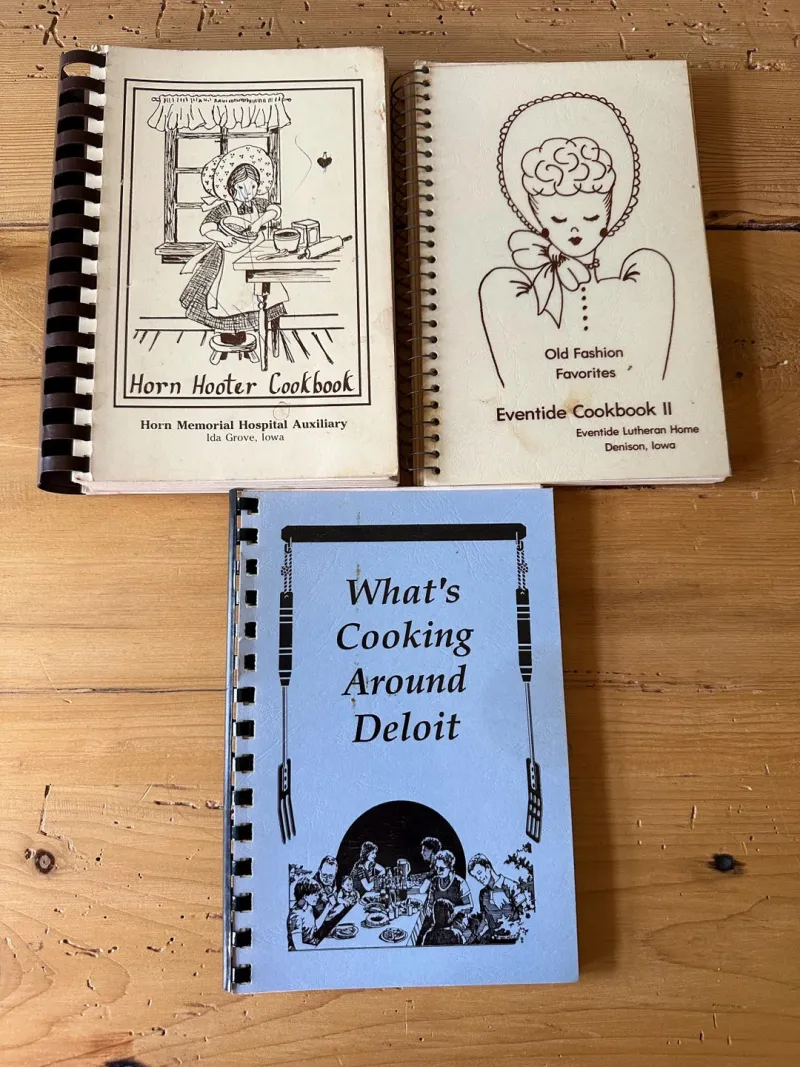
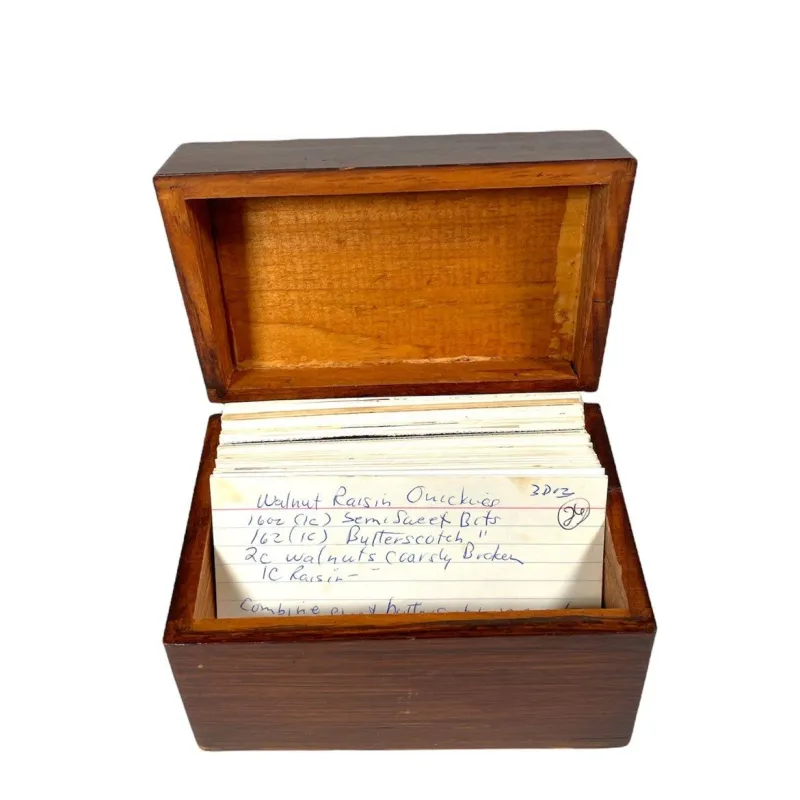
2. Plan the menu days ahead. This is where heirloom recipes shine. Pot roast, chicken and dumplings, a ham with pineapple, a big green salad with homemade dressing. Mid-century cooking was make-ahead cooking by necessity. Lean into it: braises, bakes, and anything that improves while your guests arrive.
3. Don't fear the mold. A Jell-O salad is the punchline of 1950s cooking, but a citrus mold with shredded carrots — served with genuine confidence — gets more conversation going than any charcuterie board. Serve it once. Become a legend.
4. Use the good dishes. Whatever 'good' means to you. Mismatched china from thrift stores counts. The point is that the table looks like you tried, because you did.
5. Assign jobs. Someone greets at the door, someone pours drinks, someone's in charge of music. Mid-century hosts understood that a party runs on small responsibilities. It keeps guests comfortable and keeps you out of the kitchen alone.
6. End with coffee. A pot of coffee and a simple dessert — a sheet cake, a pie — signals the slow-down. This is where the real conversations happen, and where the evening earns its keep.
Why It Sticks
Every host I spoke with said the same thing: the first one is awkward, the second one is fun, and by the third, people would rather skip a concert than miss supper club.
That's not nostalgia. That's what happens when you give people a table, a plate, and nowhere else to be. Our grandparents figured that out a long time ago. Turns out the recipe was never lost — we just stopped making it.
Pass the potatoes. There's more.