Channel 5 Made Me Do It: The Dishes America Learned Through the Speaker of a Kitchen Radio
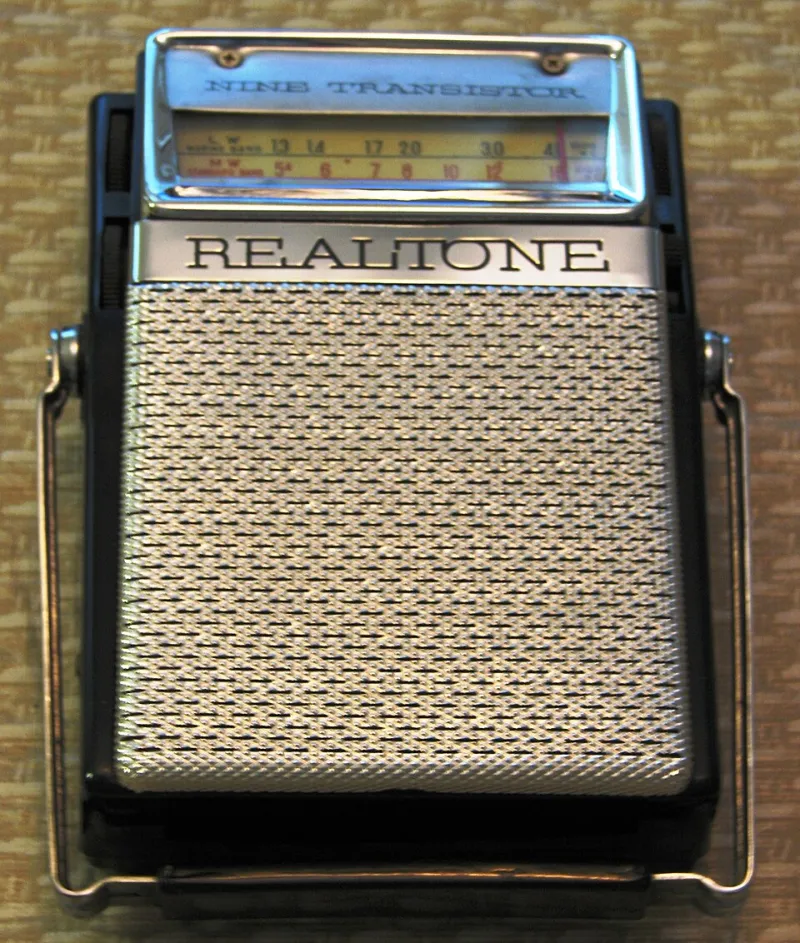
Photo: Joe Haupt from USA, CC BY 2.0, via Wikimedia Commons
The Voice in the Kitchen
Ask around long enough and you'll hear it: the recipe wasn't handed down from a grandmother's card at all. It came through a speaker.
"Mom had the radio on the windowsill above the sink, tuned to the noon farm report," says Dolores, 78, of Cedar Rapids, Iowa. "When the cooking segment came on, she'd stop scrubbing and listen. She made that ham loaf until the day she died. 'The radio lady's ham loaf,' she called it. We never knew her real name."
That's the quiet truth about mid-century American cooking. Long before we could pause, rewind, or screenshot a video, families absorbed recipes the way they absorbed the weather report — half-listening, wooden spoon in hand, trusting that if it worked for the voice on the air, it would work for them.
Learning by Ear
Radio cooking segments were a peculiar art form. No pictures. No measurements on screen. Just a warm voice describing how the batter should look "like thick cream," how the biscuits should feel "like a baby's ear." Home cooks translated that language into muscle memory, and then into habit, and then into tradition.
Television picked up the thread. Local noon broadcasts ran five-minute cooking spots between the news and the soap operas, and suddenly millions of home cooks were watching the same tuna casserole being assembled at the same hour. Then came the personalities who turned cooking into appointment viewing: Julia Child wrestling a chicken on PBS, omelets flying; Graham Kerr, the Galloping Gourmet, popping grapes into his mouth and sneaking wine into everything; local hosts whose names are long forgotten but whose green bean bake lives on in church basements from Ohio to Oregon.
The through-line was intimacy. These weren't chefs on a stage. They were guests in your kitchen, and you cooked alongside them whether you meant to or not.
"Because Mom Watched It"
We asked readers on our social pages which dishes they still make purely because a parent followed a broadcast. The answers were remarkably consistent — and remarkably specific.
- Beef Stroganoff — "Dad made it every payday after seeing it on a Saturday morning show. He'd say 'the TV man says sour cream goes in last' like scripture."
- Onion Soup Meatloaf — the Lipton packet recipe, spread nationally through local noon segments, still anchoring weeknight tables sixty years later.
- Chicken à la King on toast — "Grandma learned it from a radio segment. She never owned the recipe. She said she had 'the voice' in her head."
- Fruit Pizza with sugar-cookie crust — a 1980s TV demo favorite that somehow became a baby shower standard across the whole Midwest.
- Tuna Noodle Casserole with crushed chips on top — "Channel 5 did a pantry special in 1974. My mother never made it any other way. Neither do I."
Notice what's missing: cookbooks. Clippings, sure. But mostly it was watching, listening, and doing — and then repeating until the dish stopped belonging to the broadcast and started belonging to the family.
Five Heirloom Dishes with Screen Origins
If you want to cook your way through broadcast history, start here:
- Coq au Vin — Julia Child made it approachable on The French Chef, and it became the dinner party flex of 1960s suburbia. Still worth the effort.
- Cheese Soufflé Panic — Kerr's dramatic soufflés convinced a generation that soufflés were doable. (They are. Trust the TV man.)
- Green Bean Casserole — born in the Campbell's test kitchen, made famous through demo after demo. The Thanksgiving institution that TV built.
- Rum Balls and other boozy no-bakes — the Galloping Gourmet's influence, showing up at cookie exchanges ever since.
- Radio Ham Loaf — the regional noon-segment staple, like Dolores's, that survives purely on repetition and memory.
The Signal Never Really Went Off
We like to think we've outgrown the kitchen radio, but we haven't. We've just moved it. The noon segment became the YouTube video propped against the flour canister. The warm voice became a podcast stirring along with us at the stove. The medium changed; the habit — learning to cook in someone's company — didn't.
So the next time you make a dish you can't quite source, ask yourself where it really came from. There's a decent chance the answer involves a window above a sink, a speaker full of static, and somebody's mother deciding, on a Tuesday in 1968, that the radio lady sounded like she knew what she was doing.
She did. And so did Mom. Pass the ham loaf.