The Last Thing She Ever Fed Us: Living With a Freezer We Can't Empty
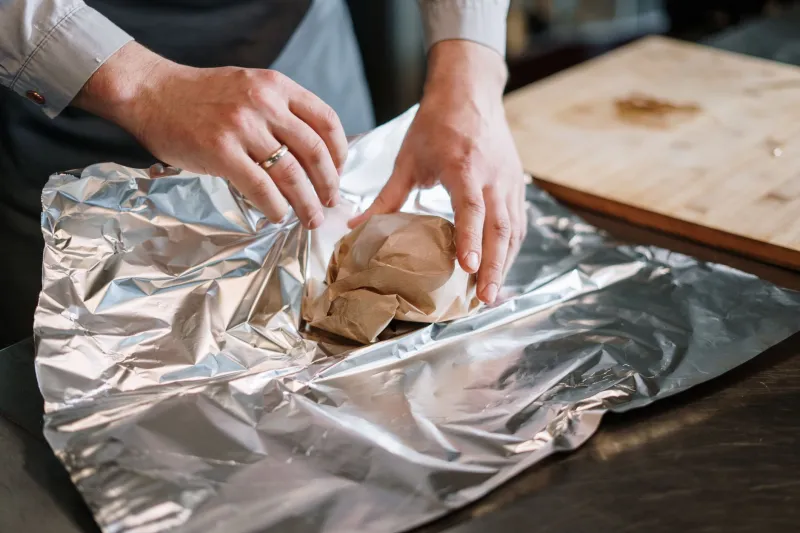
Open almost any chest freezer in a grieving family's garage and you'll find it: a margarine tub with masking tape on the lid, handwriting slanting across it — beef barley, Oct. — frozen sometime before last October meant anything to the woman who wrote it.
Nobody plans to keep it. Nobody sets out to become the person who stores a foil-wrapped brick of dinner rolls for three years. And yet here we are, millions of us, tending little shrines of frost and Tupperware, unable to throw away the last food a loved one ever made.
The Tub of Soup Nobody Will Eat
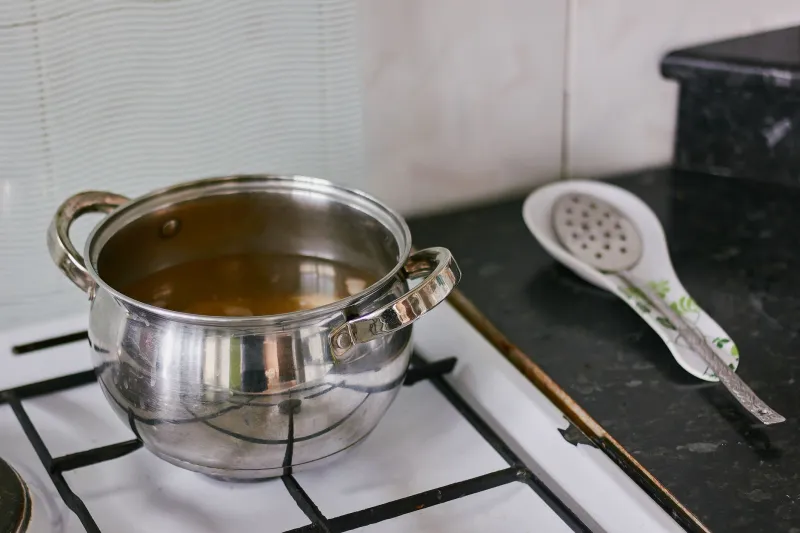
My friend Dana's grandmother died in 2021, and Dana still has a Cool Whip container of ham and bean soup in her freezer. She knows — we all know — that eating it stopped being an option around 2022. But when I asked why it was still there, she didn't hesitate.
"It's the last thing she cooked for me," she said. "If I throw it out, then that's really it. There's no more of her cooking left in the world."
That's the strange arithmetic of freezer grief. The soup isn't food anymore. It's a message, still sealed, still waiting.
What the Experts See
Dr. Pauline Rosenblatt, a food psychologist I spoke with, says this behavior is far more common than people admit — and completely rational, if you understand what's actually being preserved.
"Food is one of the primary ways we care for people," she told me. "When someone can no longer cook, the last batch of soup they made isn't a meal. It's the final act of caregiving. Discarding it can feel like discarding the relationship."
Grief counselors describe these frozen containers as what researchers call "continuing bonds" objects — physical touchstones that let mourners maintain a connection rather than severing it cleanly. The wedding ring goes in a box. The recipes get scanned. But the food itself is different, because food was made for someone. It has a recipient. It has intent.
And unlike a quilt or a watch, food decays. Which turns the freezer into a kind of hourglass — the connection visibly, slowly fading, even as we refuse to turn it over.
The Freezer as a Stopped Clock
There's something else going on, too. A freezer halts time. That's its whole job.
For a few months after a loss, opening the freezer can feel like the person is still mid-project. Grandma's rolls are still in there, which means in some small way, she's still in the middle of feeding the family. The interruption hasn't fully happened yet.
The trouble, of course, is that freezers are not memorials. They hum. They need defrosting. Eventually the ice cream gets freezer-burned and the corn from the garden turns to frost-covered pebbles, and the family has a decision to make in front of an open door, breath fogging, nobody speaking.
When It's Time — and How to Do It Gently
If you're the keeper of a frozen archive nobody will eat, grief experts suggest a few gentler paths than the trash can:
- Photograph everything first. A picture of the labeled tub, the handwriting on the foil — you keep the artifact without keeping the artifact.
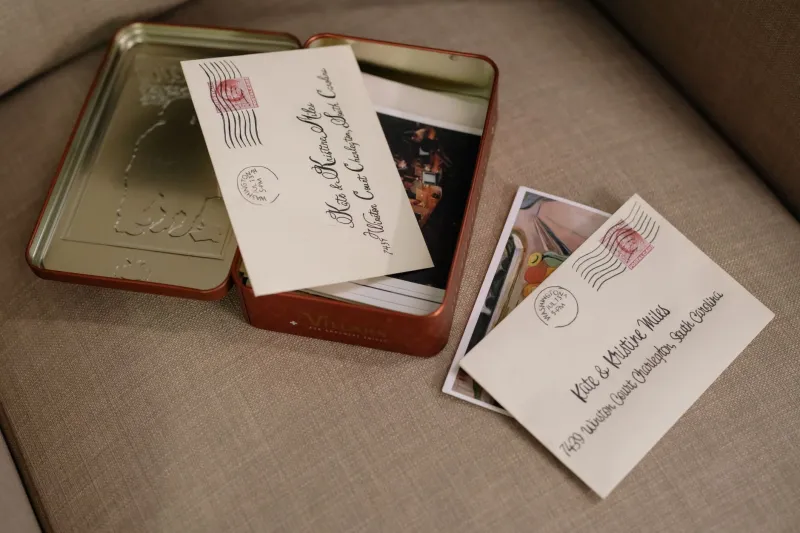
- Keep one piece of the packaging. The masking-tape label or the ice cream lid with her handwriting carries most of the emotional weight anyway. It tucks into a recipe box beautifully.
- Ritualize the letting-go. Some families say a quiet thank-you over the sink before rinsing the containers. It sounds small. It isn't.
- Cook something from her recipes instead. Making the soup fresh — from a card, from memory, badly, even — converts the frozen relic into a living tradition.
The Meal That Outlives the Food
Here's what I've come to believe after too many conversations about too many freezers: the soup was never the point. The point was that someone stood in a kitchen, tired, on a Tuesday, and made something for you.
That act doesn't expire. It doesn't need a freezer to survive. It survives in the fact that you still make her soup — or that your sister does, or that you finally will next fall when the weather turns.
So if you're ready, defrost the freezer. Thank the tub of soup. Write down what was in it, if anyone remembers.
Then go make it again. That's the only preservation that lasts.