Nose First, Memories Second: The Scents That Hold Our Family Stories
Photo: City Foodsters, CC BY 2.0, via Wikimedia Commons
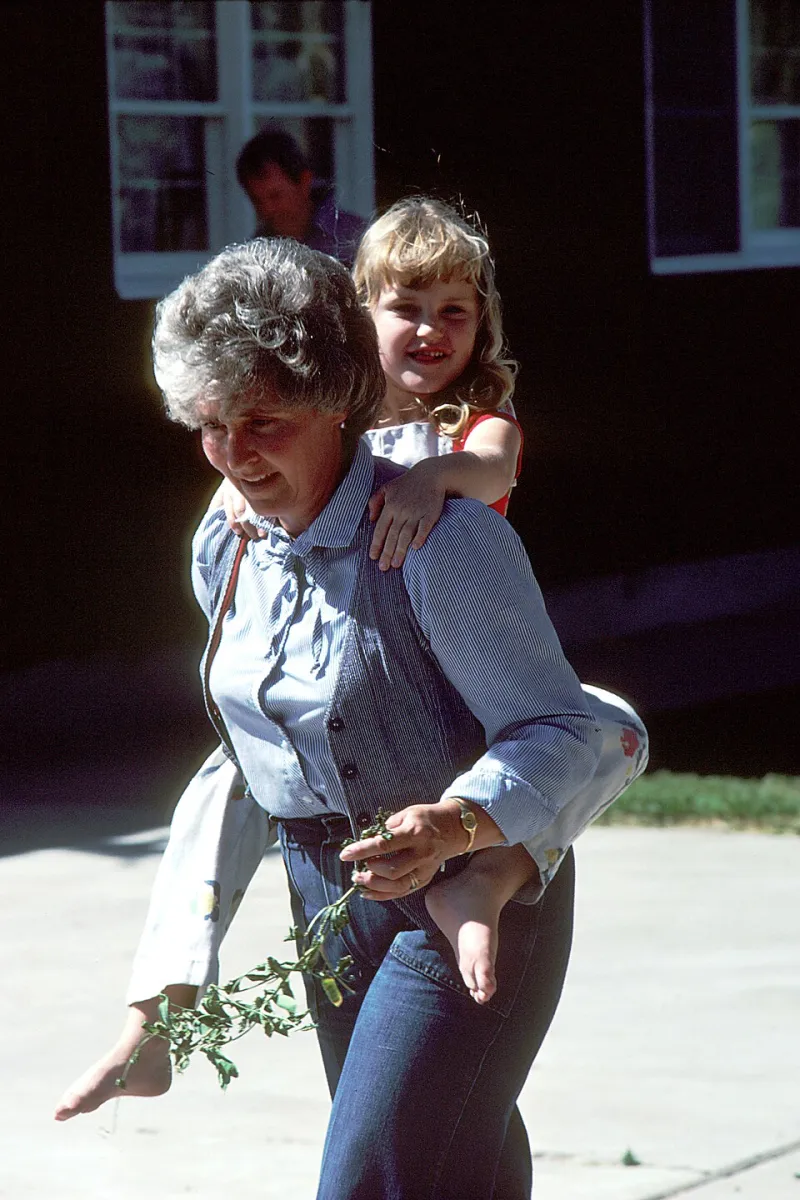
There's a moment that happens in kitchens all across this country, usually without warning. Somebody toasts a handful of pecans in a dry skillet, and suddenly a woman in her sixties is standing in her grandmother's kitchen in Mobile, Alabama, fifty years gone, watching that same woman shell nuts at the kitchen table with a thimble in her apron pocket.
If you've cooked long enough, you know this moment. It doesn't ask permission. It just arrives.
The Science of the Sudden Time Machine
Neuroscientists have a name for it — the Proust effect, borrowed from the French writer who famously dunked a madeleine in tea and was flooded with childhood memories. What makes smell different from every other sense is its wiring. Odors bypass the usual processing detour and connect almost directly to the amygdala and hippocampus, the brain's memory and emotion headquarters.
In plain terms: smell doesn't knock. It walks straight in.
That's why a visual reminder of your childhood kitchen might make you wistful, but a whiff of butter just past golden — the point where it's one second from burning — can drop you into your mother's Sunday morning kitchen before you've even registered what happened.
The Scents We Carry
We started asking around, and the responses poured in like steam off a stockpot.
Margaret, 71, Ohio: "Simmering tomatoes with a little bit of sugar in them. My father made gravy every Sunday of my childhood, and the whole house smelled like that for six hours. When I make it now, my grown sons walk in and go quiet. They don't say why. They don't have to."
Ray, 58, Texas: "Cinnamon in hot chocolate. Not the fancy kind — the packets. My mother would put a shake of cinnamon on top when it was cold out, and to this day I cannot smell it without seeing snow through a kitchen window."
Dolores, 83, New Mexico: "Green chile roasting. You cannot live here and smell that in the fall and not think of every woman in your family standing over a comal. It's the smell of everyone I've ever loved."
James, 44, Georgia: "Frying chicken. My grandmother ran a boarding house, and the smell of oil and seasoned flour meant somebody was welcome there. I fry chicken in her black skillet every Christmas Eve, and I swear the house remembers her."
Notice what's missing from these stories: measurements, techniques, plating. Nobody mentions how anything tasted. The smell does the remembering all by itself.
Why Kitchens Hold the Archive
Every family has an archive. Some keep it in photo albums, some in shoeboxes of recipe cards, some in a church cookbook with a spiral binding and a coffee stain on the casserole page. But the oldest and most reliable archive is olfactory, and the kitchen is where it lives.
That's partly because kitchen smells are intense and repeated. The same onions hitting hot fat, hundreds of times over years. That repetition stamps the scent deep. And it's partly because kitchens are where families actually gathered — not the living room, not the porch. The kitchen. The smell of a kitchen is the smell of a household functioning.
Here's the tender part: these scent memories are fragile in one direction and durable in the other. You can't summon them at will — you can't buy "your mother's kitchen" in a bottle. But once a smell has the memory attached, it never lets go. Which means every time you cook a family dish, you're not just feeding people. You're pressing their noses against a window into the past.
Cooking as Preservation
This is the quiet argument for making the old recipes even when they're fussy, even when there's a shortcut available. The shortcut gets dinner on the table. The long way — browning the butter, toasting the nuts, letting the tomatoes go the full six hours — fills the house with the smell that someone, someday, will carry for fifty years.
You are, whether you mean to or not, building somebody's Proust effect right now.
Your Turn: Add to the Archive
So here's our ask, and we mean it: tell us the smell. Not the recipe — the smell. The one that stops you in your tracks at a county fair, a neighbor's kitchen, a holiday table.
Was it bread rising under a dish towel? Coffee percolating before dawn? The vinegar tang of pickled beets your great-aunt canned every August? The match-head strike of a gas burner before anyone else was awake?
Leave it in the comments below. Tell us the smell and who it belongs to.
We'll be gathering them — every one — because somewhere down the line, a reader will scroll through these comments and find their own grandmother's kitchen described by a stranger. That's the thing about the archive: it belongs to all of us, and it only works if we keep adding to it.
One whiff at a time.