Eggs at Dawn and Sandwiches at Midnight: The Secret Cookbook Men Never Wrote Down
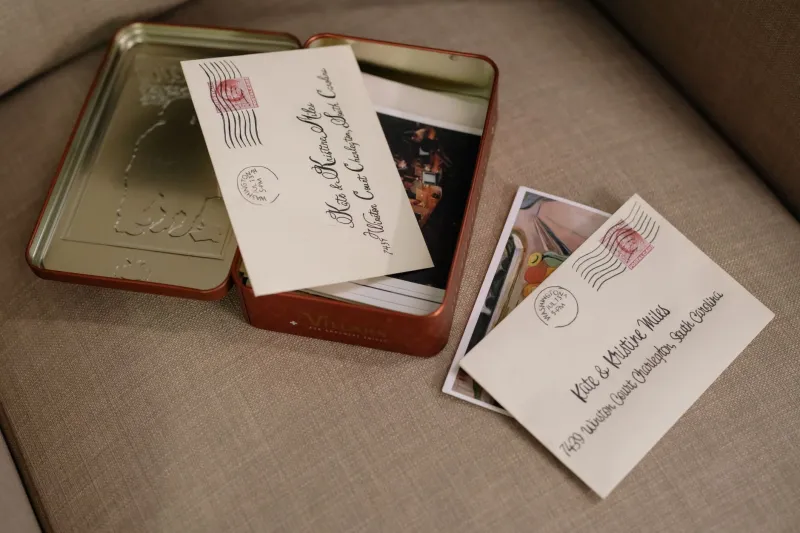
Open just about any family recipe box in America and you'll find the same thing: cards in cursive, stained with vanilla and decades of use, almost all of them written by women. Grandma's pie crust. Great-Aunt Ruth's pickle recipe. Mom's meatloaf, copied from Mom's meatloaf.
But ask around — really ask around — and a second cookbook starts to surface. One that nobody ever wrote down.
The Cookbook That Lives in Memory
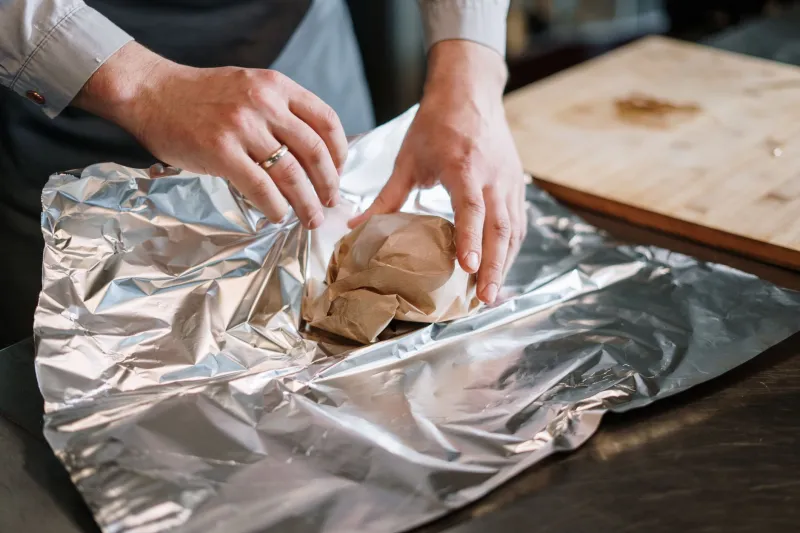
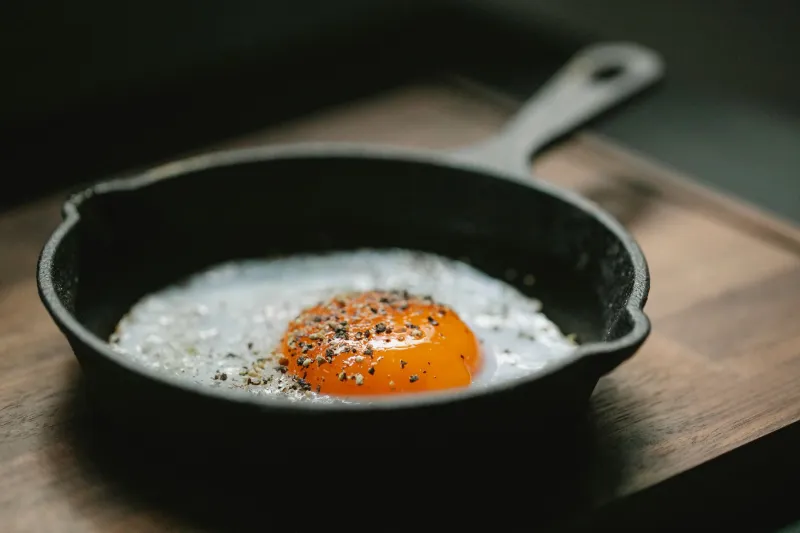
My grandfather cooked exactly two things, as far as the family record shows. The first was Sunday morning eggs, fried in leftover bacon grease with the heat too high, edges crisped brown like lace. The second was what he called a "garbage sandwich" — thick bread, leftover roast, a slice of onion, mustard applied with what my father describes as "an engineer's precision."
He made these things when Grandma wasn't home. That part matters, and it kept coming up in nearly every conversation I had for this piece.
"Dad's cooking was a private thing," a reader named Marilyn from Ohio told us. "He'd wait until Mom went to her sister's, then he'd make his famous fried bologna with a pile of onions. We were sworn to secrecy. Not because it was bad — because it was his."
That word came up again and again. His. Mine. These dishes weren't just food. They were small territories of independence.
Fishing Trips, Deer Camps, and the Original Man Kitchens
If you want to find men's cooking traditions, don't look in the kitchen. Look at the lake.
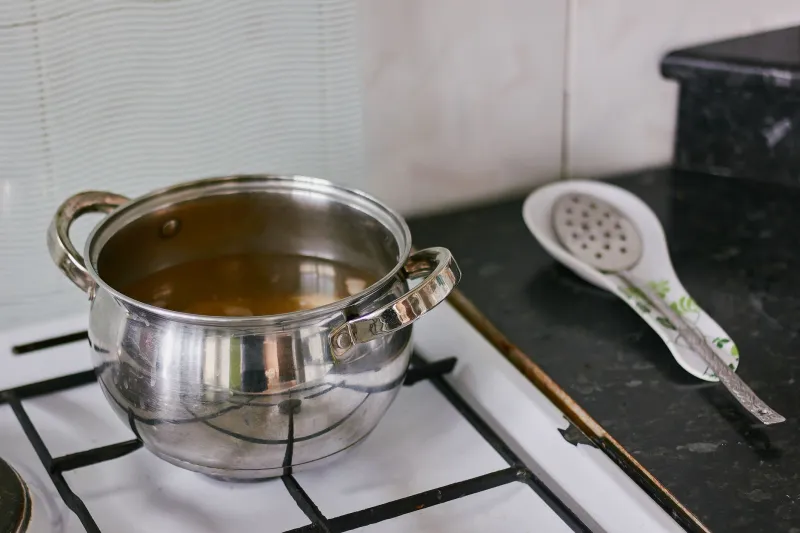
Across the Upper Midwest, the South, and pretty much anywhere with a boat ramp, generations of men cooked for each other at fishing cabins and deer camps — one-pot stews, pan-fried catch, coffee strong enough to strip paint. The camp kitchen was a legitimate culinary institution with its own hierarchies, its own signature dishes, its own arguments about the right way to make chili.
And almost none of it was ever recorded.
"My grandpa made a fish stew at the lake that none of us can recreate," wrote one reader submission. "He'd just say 'you know, a little of this.' We've been guessing for twenty years."
The grill is the other great exception. Barbecue is the one arena where American men's cooking was not only documented but celebrated, measured, and fiercely defended. Maybe that's why grilling feels like heritage in a way that Grandpa's midnight sandwich doesn't — it happened in public.
Why Didn't These Dishes Make It Onto Cards?
There are a few theories, and honestly, they all ring true.
Nobody thought it counted. A fried egg wasn't a "recipe" in the 1950s and '60s, especially not a man's fried egg. Recipe boxes were for company dishes — the food that proved a household was running properly. Bachelor food was, by definition, off the record.
The men weren't asked. If a community cookbook committee came calling, they knocked on the kitchen door, not the garage.
Some of it was deliberately secret. More than one person told us their father or grandfather guarded a dish the way other men guard a golf swing. The mystery was part of the fun.
The Eggs Are Worth Saving
Here's the thing, though: these dishes are recipes. Not fancy ones, but honest ones — a whole vernacular of American home cooking that's one generation away from gone.
So here's my assignment for you, and I'm taking it myself: this weekend, ask the older men in your family what they cook when nobody's watching. Ask about camp food. Ask about the sandwich they made themselves after everyone went to bed.
Then write it down. Even if it's just "eggs, bacon grease, high heat, don't ask questions."
Because the other side of the recipe box deserves a card too. And unlike Grandma's pie crust, nobody else is going to remember how he liked his eggs.