A Stranger's Casserole, A Dead Mother's Handwriting: What I Learned From Cooking Other People's Heirlooms
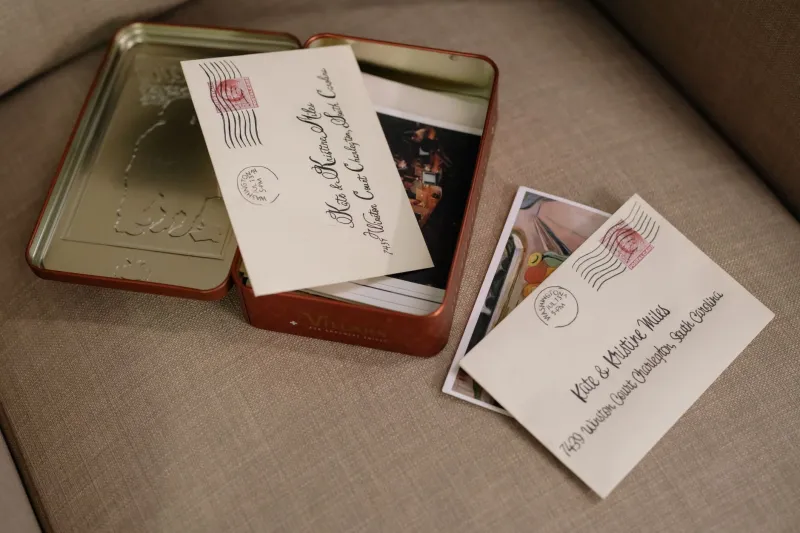
The envelope arrived on a Tuesday, wedged between a credit card offer and the electric bill. No return address I recognized. Inside: a single index card, soft at the edges, with a recipe for tuna noodle casserole written in blue ballpoint pen. At the top, in different handwriting — newer, shakier — someone had added: Mom's. She made this every Friday during Lent. She passed in 2019.
I had signed up for a recipe swap three weeks earlier, mostly on a whim. A friend mentioned an online group where strangers mail each other their family's handwritten recipes, the real ones, stains and all. I sent in my grandmother's peach cobbler card and forgot about it until that envelope showed up.
I did not expect to cry over a casserole.
Cooking a Recipe That Wasn't Meant for Me
Here's the strange thing about heirloom recipes: they were written for a specific table. My grandmother's cobbler card assumes I know her oven runs hot. The tuna casserole card assumed its reader knew that "the good cheddar" meant the block from the cheese counter, not the bagged stuff. I didn't. I bought the bagged stuff, and the first attempt was a little bland, a little dry.
The second time, I got it right. And standing in my kitchen in Ohio, stirring a sauce that a woman in Oregon used to make for her family every Friday, I felt something I wasn't prepared for. It wasn't sadness, exactly. It was more like being trusted. Someone handed me the most personal thing in their kitchen — a dead relative's handwriting — and said, essentially, here, you cook it now.
We talk a lot on this site about recipes as inheritance. But inheritance implies bloodlines. What the swap taught me is that a recipe can be a gift instead. Bloodlines are an accident of birth. A recipe given to a stranger is a choice.
The Swap Worked Both Ways
A month after I mailed my grandmother's cobbler card off (I made a photocopy first — I'm sentimental, not reckless), I got an email from the woman who received it. She told me she'd made it for her book club and that the tip about pressing the crust with a fork "so it gets all craggy" was now non-negotiable in her house. Craggy. I'd never thought of it that way, but she's right. That's exactly what it is.
That's the other thing nobody mentions: when a stranger cooks your family's recipe, they hand back observations you never had. My grandmother made that cobbler for sixty years, and I never once noticed the fork thing because it was just how the crust was. Someone with fresh eyes saw it, named it, and made it part of the recipe's story.
How to Start Your Own Recipe Swap
If this sounds like your kind of project, it's easier than it sounds:
- Find your people. Search Facebook and Reddit for "recipe swap" or "handwritten recipe exchange" groups. Local libraries and community centers sometimes run them too, especially around the holidays.
- Send the real thing. A photocopy or a scan is fine, but if you can bear it, mail the actual card. The coffee ring, the fold crease, the margin note from 1987 — that's the good stuff.
- Include the story. A recipe without context is just ingredients. Two sentences about who made it and when turns it into a document.
- Ask for a report back. The best part of the swap is hearing how it went. Did they burn it? Did their kids like it? Did they figure out what "the good cheddar" means?
- Keep it going. Some groups do seasonal swaps — holiday cookies in December, picnic sides in July. One exchange tends to become a habit.
A Casserole Is a Strange Kind of Letter
I still have the index card. It lives in my recipe box now, between my mother's goulash and a church cookbook page for pickle wraps. Sometimes I make the tuna casserole on a Friday, just because, and I think about a woman named (I think) Dolores, who I know only through her handwriting and one recipe.
I'll never meet her. But her mother's casserole is in my rotation now, and my fork-pressed cobbler crust is in a stranger's kitchen in another state. That seems like a fair trade — better than fair. It turns out heirlooms don't have to stay in the family. Sometimes they do their best work when they leave home.