One Pot Roast, Seven Days of Structure: Bringing Back the Real Sunday Supper
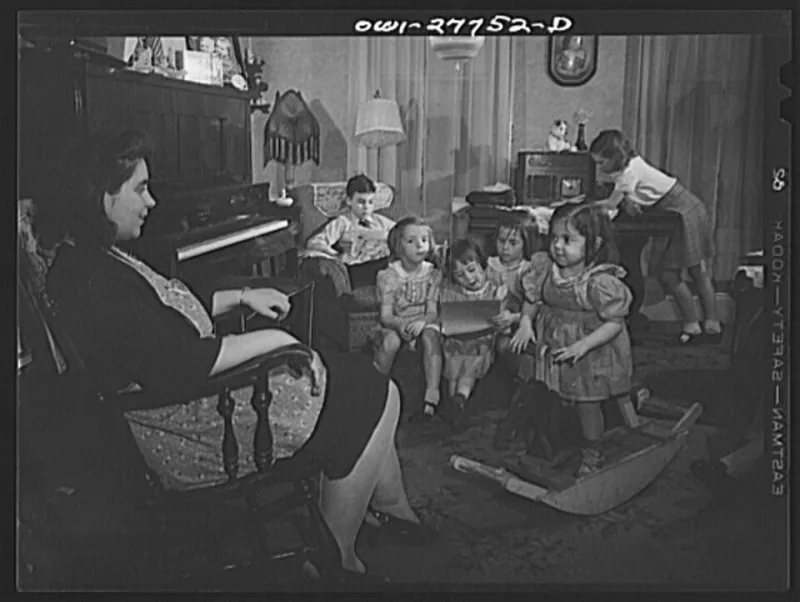
Photo: Marjory Collins, Public domain, via Wikimedia Commons
Ask anyone over fifty what Sunday afternoons smelled like, and you'll get an answer before you finish the question. Pot roast. Fried chicken. Sauce bubbling on a back burner. The meal itself mattered, but what it did — that's the part worth rebuilding.
Sunday supper worked like a calendar anchor. It set the tone for the week, created a standing appointment nobody had to negotiate, and gave leftovers a job to do Monday through Wednesday. Here are five menus that earned their keep, plus a practical path back for families who now span zip codes, schedules, and group chats.
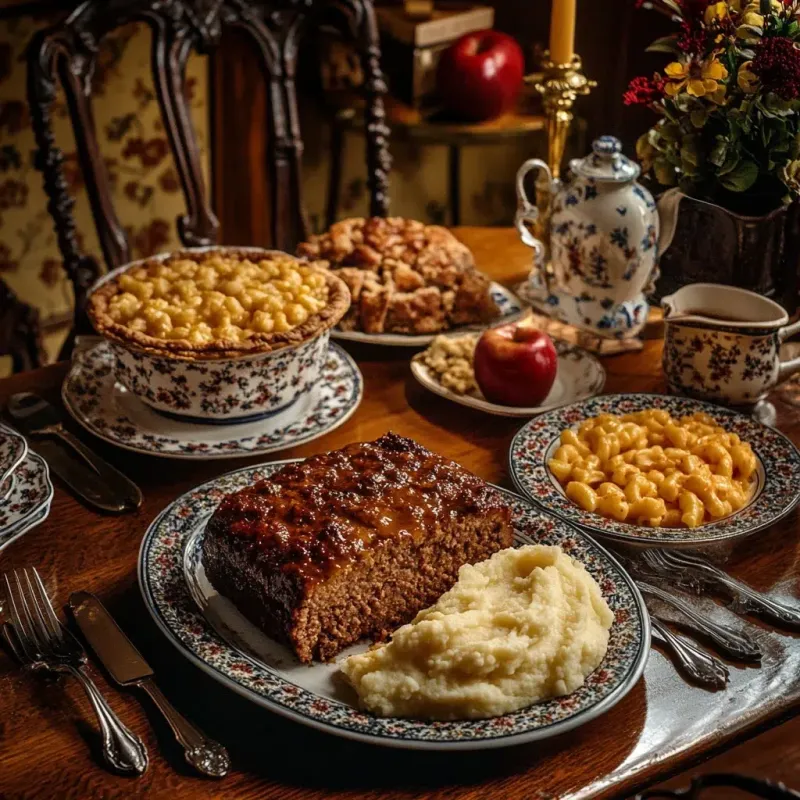
1. Pot Roast with Carrots, Potatoes, and Gravy
Why it worked: One heavy Dutch oven, one cheap cut, three unhurried hours. The roast demanded someone be home, which was the whole point.
Revive it: A 3-pound chuck roast, seared hard, buried with onions, carrots, and potatoes, braised at 300°F for about 3 hours. Start it at 2 p.m.; eat at 5:30. The leftovers are the hidden feature — Monday's sandwiches and Tuesday's hash are built in.
Modern twist: Make it a monthly rotation instead of weekly. Even once a month gives the family a rhythm to orbit around.
2. Fried Chicken, Mashed Potatoes, and Sliced Tomatoes
Why it worked: This was the show-off supper. It took real effort, so it announced that Sunday was different from the other six days.
Revive it: Buttermilk-brine the chicken overnight Saturday (1 cup buttermilk, 1 teaspoon salt per pound). Dredge in seasoned flour, fry at 350°F to 165°F internal. Make the gravy while the chicken drains on a rack. Yes, it's a project. Projects are the point.
Modern twist: Split the labor — one person fries, one handles sides, someone else sets the table. More hands, less resentment, better conversation.
3. Baked Ziti or Sunday Gravy with Pasta
Why it worked: In Italian-American households, Sunday gravy was a religion with a 4-hour simmer. It filled the house with a smell that pulled people in from the yard.
Revive it: Brown braciole or meatballs, simmer in a big pot of tomato sauce low and slow all afternoon. Boil the pasta fresh at the table. Freeze half the sauce — that's next Sunday handled.
Modern twist: Double every batch. A freezer full of Sunday sauce is a gift to your future, busier self.
4. Roast Chicken with Stuffing and Pan Gravy
Why it worked: Smaller than a turkey, easier than a roast, and the carcass became Monday's stock, which became the week's soup. Nothing about this bird got wasted.
Revive it: Salt the chicken Saturday night (a dry brine — 1 tablespoon kosher salt per 4-pound bird). Roast at 425°F for about an hour. Make gravy from the drippings while it rests. Pick the bones after dinner and start the stock before bed.
Modern twist: Assign the stock-making to a teenager. It's a one-pot job with a genuine payoff, and kids need wins like that.
5. Ham Steak, Scalloped Potatoes, and Pound Cake
Why it worked: The humble end-of-menu. Ham fed a crowd cheaply, the potatoes stretched it further, and a pound cake meant the table stayed occupied long after the plates were cleared.
Revive it: Pan-fry thick-cut ham steaks with a little brown sugar glaze. Layer scalloped potatoes with onions and bake until bubbly. Buy the pound cake if you must — nobody's grading — but a homemade one sends a message.
Modern twist: Pound cake plus whatever fruit is in season is the world's easiest dessert. Keep it in rotation.
When Everyone's Scattered: The Video-Call Supper
Here's the part nobody had to solve in 1965: families spread across time zones. The fix is simpler than you'd think.
Pick one menu a month and cook it simultaneously. Everyone shops from the same list. Everyone starts at their own appointed hour. The video call opens when the food is nearly done, and you eat "together," plates in view, gravy mishaps and all.
It sounds gimmicky until you do it. The shared menu does what the shared table did — gives everyone the same thing to talk about. "Mine came out too dry." "Add more paprika next time." It's not the same as passing the potatoes. But it's a tether, and tethers matter.
Start Smaller Than You Think
Don't attempt a four-course revival this weekend. Pick one menu from the list. Pick one recurring time. Tell three people. That's the entire launch plan.
The tradition doesn't survive because the food was spectacular. It survived because it showed up every week, unglamorous and dependable, and asked nothing of anyone except that they come sit down. That's a thing worth cooking for.