The List Was the Menu: Cooking a Week of Dinners From My Grandmother’s Coat Pocket
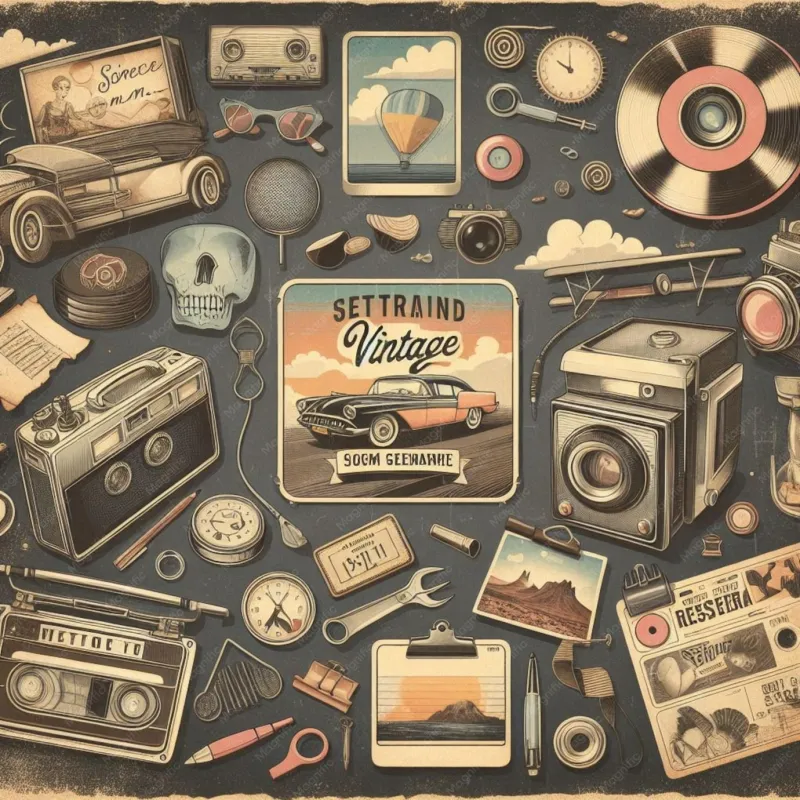
Photo: vintage handwritten grocery list on index card in coat pocket, via img.freepik.com
The coat was a heavy wool thing, the color of wet leaves, and it had been hanging in the back of the closet for years. We were sorting through it on a rainy afternoon, not really looking for anything, when my aunt reached into the pocket and pulled out a folded index card. It was soft at the corners, spotted with something that might have been coffee or bacon grease, and covered in my grandmother’s handwriting.
It was not a recipe. It was a grocery list.
On one side: milk, eggs, bread, coffee, onions, carrots, celery, potatoes, ground beef, chicken thighs, canned tomatoes, kidney beans, rice, frozen peas. On the other: a few abbreviated notes that took us a while to decode—maybe a brand name, maybe a reminder to use a coupon. There was a phone number with no name and a small calculation in the margin that added up to something under thirty dollars.
We stood there in the closet and read it like a letter.
What a Grocery List Actually Records
Recipe cards show us what someone hoped to make. A grocery list shows what they actually bought. That is a different kind of history.
A list is practical. It is written standing up, or in a car, or at the kitchen table while the kettle heats. It reflects what was on sale, what the family would eat without complaint, what the budget allowed that week. It remembers the staples—coffee, bread, milk—and the small negotiations that keep a household running.
My grandmother’s list was not fancy. There was no fresh basil, no specialty cheese, no cut of meat that required a conversation with a butcher. There was ground beef and chicken thighs, dried beans and rice. There were vegetables that could stretch across several meals. The list was not a menu, exactly, but it was close. It told us what kind of week she was planning: filling, thrifty, and mostly cooked at home.
So we decided to cook from it.
Reading the List Like a Letter
The first thing we noticed was the order. She had grouped things the way she probably walked the store: produce first, then meat, then canned goods, then dairy and bread. The onions and carrots came before the beef. The coffee was near the top, which felt right. The frozen peas were last, an afterthought that still made it onto the card.
The second thing was the quantities. Three pounds of ground beef. Two packages of chicken thighs. A bag of rice big enough to last more than a week. This was not a list for a special occasion. It was a list for ordinary days, the ones that do not make it into stories because they happen all the time.
We cooked five dinners from that card. Not perfectly—we had to guess at seasoning and method—but close enough to feel like we were standing next to her again.
Monday: Beef, Rice, and the Practical Onion
Monday’s dinner came together from the ground beef, an onion, a can of tomatoes, and rice. We browned the beef with the chopped onion, added the tomatoes and a splash of water, and let it simmer while the rice cooked. Salt, pepper, a little paprika from our own cabinet. It was not a recipe anyone would write down, which is exactly why it had disappeared.
But it was good. The kind of good that fills a kitchen with steam and makes everyone wander in to ask what smells so promising. My aunt remembered eating something like it after school, spooned into a bowl with extra pepper. I remembered nothing and everything at once.
Tuesday: Chicken Thighs and a Hot Oven
On Tuesday we used the chicken thighs, potatoes, carrots, and onions. We tossed the vegetables with oil and salt, put the chicken on top, and roasted the whole thing at 400 degrees until the skin was crisp and the potatoes were soft at the edges. No fresh herbs. No lemon. Just salt, pepper, and heat.
It was the sort of dinner that asks very little of the cook once it is in the oven. I understood why it was on the list. It could be started after work, forgotten for forty minutes, and still arrive at the table looking like someone had planned it.
Wednesday: The Beans That Stretched the Week
Wednesday was kidney beans, canned tomatoes, onion, and rice. A pantry chili, more or less. We added cumin and chili powder because we could not imagine her leaving it out entirely, but we kept it simple. The beans made it hearty. The rice made it stretch. There was enough left over for Thursday lunches.
This was the meal that made the list make sense. The ground beef had been Monday. The chicken had been Tuesday. By Wednesday, the week needed something cheap and steady. The beans delivered.
Thursday: Soup From the Odds and Ends
Thursday was not written on the list as soup, but the list had the ingredients for one: carrots, celery, onion, potatoes, and whatever chicken was left. We made a brothy pot of vegetables with shredded chicken and a handful of rice. It was less a recipe than a way of cleaning up the week.
My grandmother was not a wasteful cook. The list proved it. Every item had a second life. The celery went into the soup. The last onion went into the pot. The bread from the top of the list showed up on the side, toasted and buttered.
Friday: Eggs, Bread, and No Apologies
Friday’s dinner was eggs and toast. We scrambled them slowly, the way my aunt insisted was correct, and served them with buttered bread and coffee for the adults. It was not a fancy end to the week. It was better than fancy. It was the meal you make when you are tired and the refrigerator is mostly empty and everyone still needs to eat.
We ate it at the kitchen table with the index card propped against the salt shaker.
The Meal the List Didn’t Name
The list never said “meatloaf” or “chili” or “roast chicken.” It said milk, eggs, bread, coffee, onions. It recorded the raw materials of a week, not the finished story. That is what makes found grocery lists so moving. They are not trying to be remembered. They are just trying to get dinner on the table.
We kept the card. We put it in a plastic sleeve and tucked it into the recipe box, next to the cards with actual instructions. It does not tell us how long to cook the rice or how much salt to use. But it tells us something just as useful: what a normal week looked like in her kitchen.
If you find a grocery list in a coat pocket or between the pages of a cookbook, do not throw it away. Cook from it if you can. You may not recreate the meal exactly, but you will learn something about the person who wrote it—and about the quiet, ordinary love that goes into feeding a family, one list at a time.